Comprehensive Pest Control Solutions: Keep Your Home Free of Pests
Effective pest management strategies are vital for maintaining a pleasant home environment. Property owners encounter various challenges from common pests, which can interfere with daily life. Identifying the signs of infestation is the first step in addressing these issues. While organic approaches have become increasingly popular, comprehending the full spectrum of control options is essential. This investigation raises important questions about the equilibrium between DIY solutions and when to seek professional assistance. What tactics will prove most effective?
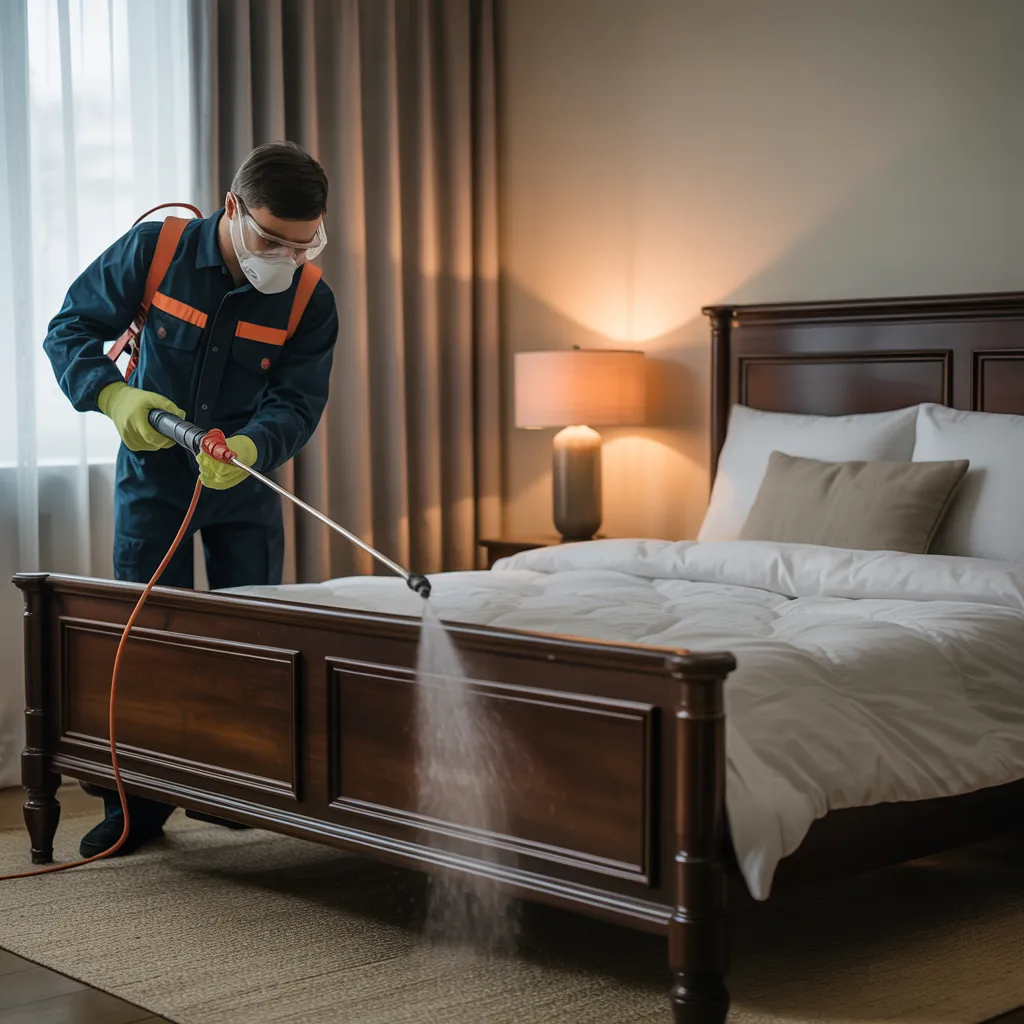
Common Home Pests and Effective Pest Solutions
When property owners discover unwanted guests in their home areas, they often search for quick fixes for typical indoor insects. Among these unwanted creatures, ants, cockroaches, and rodents are frequently encountered. Ants usually enter kitchens in pursuit of sustenance, while cockroaches flourish in warm, dark areas. Rodents, on the other hand, can cause structural damage and present safety concerns.
Effective pest control begins with identification and prevention. Residents are advised to seal entry points, maintain cleanliness, and eliminate food sources. Pesticide treatments and bait stations can be utilized for targeted pest issues, though attention must be paid to assure safety for children and pets. In critical situations, professional pest control services may be essential to apply thorough eradication methods. Grasping the behavior of these creatures and employing specific tactics promotes a safer home setting and minimizes future infestations.
Identify Indicators of Infestation
Spotting clues of infestation is necessary for competent pest elimination. Standard markers include peculiar sounds, pungent odors, and apparent droppings or damage to property. Noticing these symptoms early can help preventing a minor issue from escalating into a substantial crisis.
Unusual Sounds and Odors
Strange sounds and smells are often key indicators of a pest infestation. Homeowners might notice scratching, dashing, or gnawing sounds, particularly at night when pests tend to be active. These sounds commonly point to rodents, like mice or rats, which often reside in walls, attics, or basements. Moreover, specific odors can reveal an infestation. A dank or pungent aroma may indicate a buildup of droppings or urine, while a foul, rotting odor might hint at the presence of dead pests. Detecting these auditory and olfactory clues is important for early detection. Swift response to unusual noises and smells enables homeowners to take action before in-depth guide a minor concern turns into a larger pest issue.
Observable Waste or Damage
Visible waste and damage function as clear indicators of a pest infestation. Homeowners should be vigilant in identifying these indicators, as they can differ significantly between different unwanted creatures. Rodent waste, for example, are tiny, dark, and pellet-shaped, often found in concealed areas or near food sources. In contrast, insect droppings may look like tiny specks or grains, depending on the species. Damage can appear as gnawed electrical lines, damaged furniture, or even holes in walls. Such signs not only indicates the presence of pests but also emphasizes potential threats to health and property. Prompt identification of these signs is vital for successful pest management and preventive measures, ensuring a safe and pest-free environment.
Top Natural Insect Management Methods
While many property owners seek chemical remedies for pest control, top natural methods offer efficient alternatives that are both environmentally safe and safe. Essential oils, such as peppermint and lavender, can repel various insects due to their potent scents. Diatomaceous earth acts as a natural insecticide, dehydrating pests upon contact. In addition, vinegar is a versatile solution, effectively deterring ants and spiders when used as a spray.
DIY snares like baited jars for fruit flies prove effective. Adding beneficial insects including ladybugs and lacewings supports controlling pest populations without harming the ecosystem. Furthermore, regular cleaning and correct food preservation discourage unwanted guests by eliminating attractants. Planting herbs like basil and rosemary near the home can act as natural repellents too. By combining these methods, homeowners can sustain a pest-free environment while encouraging a healthier living space.
Understanding Chemical Pest Management Options
Chemical pest control options offer a range of pesticide types developed to target specific pests effectively. Mastering these distinct formulations is essential for effective implementation and reducing ecological impact. Furthermore, adhering to protective precautions is crucial to guarantee the well-being of both applicators and neighboring ecosystems.
Forms of Synthetic Pest Control Agents
Pesticides represent an important role in current agriculture and pest control efforts, delivering a range of solutions designed to focus on distinct pests successfully. There are numerous categories of chemical pesticides, including insecticides, which regulate insect populations; herbicides, which attack unwanted plants; and fungicides, employed to combat fungal infections. Additionally, rodenticides are formulated to eliminate rodents, while nematicides center on parasitic worms. Each category contains multiple active ingredients, permitting for specialized approaches based on the pest type and infestation level. Systemic pesticides are incorporated by plants, delivering internal protection, while contact pesticides act on contact with the pest. Understanding these classifications aids in picking the most appropriate pesticide for potent and streamlined pest control.
Security Safeguards To Examine
While engaging in pest control, it is crucial to emphasize safety measures to minimize potential risks involving chemical usage. It is recommended that homeowners read and follow label instructions closely, guaranteeing accurate dosage and application methods. Personal protective equipment (PPE) such as gloves, masks, and goggles plays a key role in protecting against chemical exposure. It is recommended to keep children and pets at a safe distance from treated areas until the chemicals are dry and the space has been ventilated. Furthermore, pesticides should be stored securely and out of reach to prevent accidental ingestion. Finally, considering environmentally friendly alternatives can reduce health risks while still successfully controlling pest problems. Taking these precautions ensures a safer environment when carrying out essential pest control measures.
Establish DIY Pest Control Suggestions
Implementing DIY pest management strategies enables homeowners to tackle pest problems effectively and cost-effectively. Simple approaches often employ common household items, making them accessible and budget-friendly. For example, a combination of vinegar and water can repel ants, while baking soda and sugar can attract and eliminate cockroaches.
Maintaining hygiene is paramount; sealing food containers and promptly cleaning spills reduce pest infestations. Homeowners can also establish defenses by closing openings and fissures around doors and windows. Essential oils like peppermint and tea tree oil serve as natural repellents, providing a fragrant alternative to chemical solutions.
Regularly inspecting the home for signatures of pests allows early intervention, averting larger infestations. Traps and bait stations can be strategically placed in high-traffic areas to monitor and control pest populations. By adopting these DIY strategies, homeowners can sustain a pest-free environment while creating a sense of control and responsibility in their living spaces.
What signals when to bring in expert support?
Homeowners may find that despite their greatest attempts with DIY pest control methods, some infestations require professional intervention. Signs indicating the necessity for expert help include ongoing pest problems, significant pest invasions, or the presence of pests that pose health risks, such as rodents or termites. If initial applications do not produce results, it may be time to contact professionals who have expert expertise and tools.
Furthermore, particular situations warrant immediate professional support. These encompass the finding of nests in hard-to-reach areas, possible building harm inflicted by pests, or when encountering dangerous bugs, like wasps. Property owners should also consider expert support if they lack the availability or resources to manage the problem successfully. In the end, engaging a pest management expert can ensure a thorough assessment and a strategic plan, offering reassurance and a pest-controlled environment.
Questions Customers Ask About Often
What Approaches Can Assist Me Prevent Pests From Entering My Home?
To prevent pests from accessing a home, one should seal cracks, install screens on windows, copyright cleanliness, maintain proper food storage, and regularly inspect for marks of infestation. These measures markedly reduce the likelihood of unwanted visitors.
Do Petsafe Pest Control Options Available?
Indeed, there are pet-safe pest management options obtainable. Organic deterrents, natural oil extracts, and traps designed specifically for use around pets work effectively to deter pests without harming animals. Always review product labels for safety information.
What Fees Relate to Pest Control Programs?
Fees associated with pest control services fluctuate widely, frequently ranging from $100 to $300 for starting treatments. Periodic maintenance plans may cost $40 to $70 per month, influenced by the extent of the infestation and service frequency.
How Extended Does Pest Control Treatment Last?
Pest control treatment typically persists from several weeks to many months, determined by the type of pest and the treatment approach. Routine follow-ups may be needed to sustain results and prevent re-infestation.
Do Unwanted Creatures Come Back After Professional Service, and What Can I Do to Stop That?
Pests can come back after treatment if not properly managed. Preventive measures include sealing entry points, keeping areas clean, and regular inspections. These actions help reduce the likelihood of re-infestation and maintain a pest-free environment.